
Understanding AI, Risk,
and the Future
The essential podcast for innovators, leaders, and curious minds who want to navigate a world where AI is advancing faster than our ability to make sense of it.
AI in Finance: From Money Laundering to Deepfakes
Dr. Janet Bastiman has been making convincing deepfakes since 2017, long before most people knew the word. Now the Chief Data Scientist at Napier AI, she joins Mo to get into why fraud is actually easier to catch than money laundering, how a deepfake already talked a finance team out of millions, and why the human analysts checking AI matter more than ever.
.png)

Featured Episodes
Conversations with the practitioners, leaders, and builders shaping the future of AI and security.
Dr. Janet Bastiman has been making convincing deepfakes since 2017, long before most people knew the word. Now the Chief Data Scientist at Napier AI, she joins Mo to get into why fraud is actually easier to catch than money laundering, how a deepfake already talked a finance team out of millions, and why the human analysts checking AI matter more than ever.
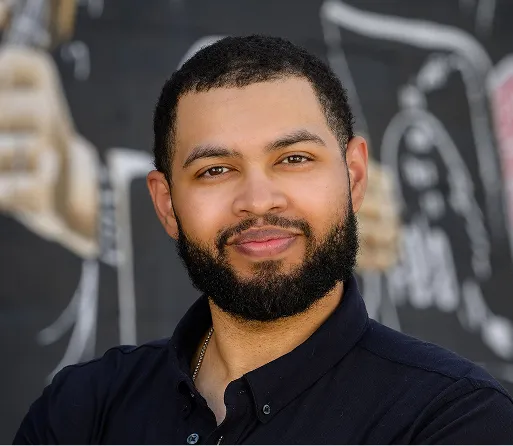
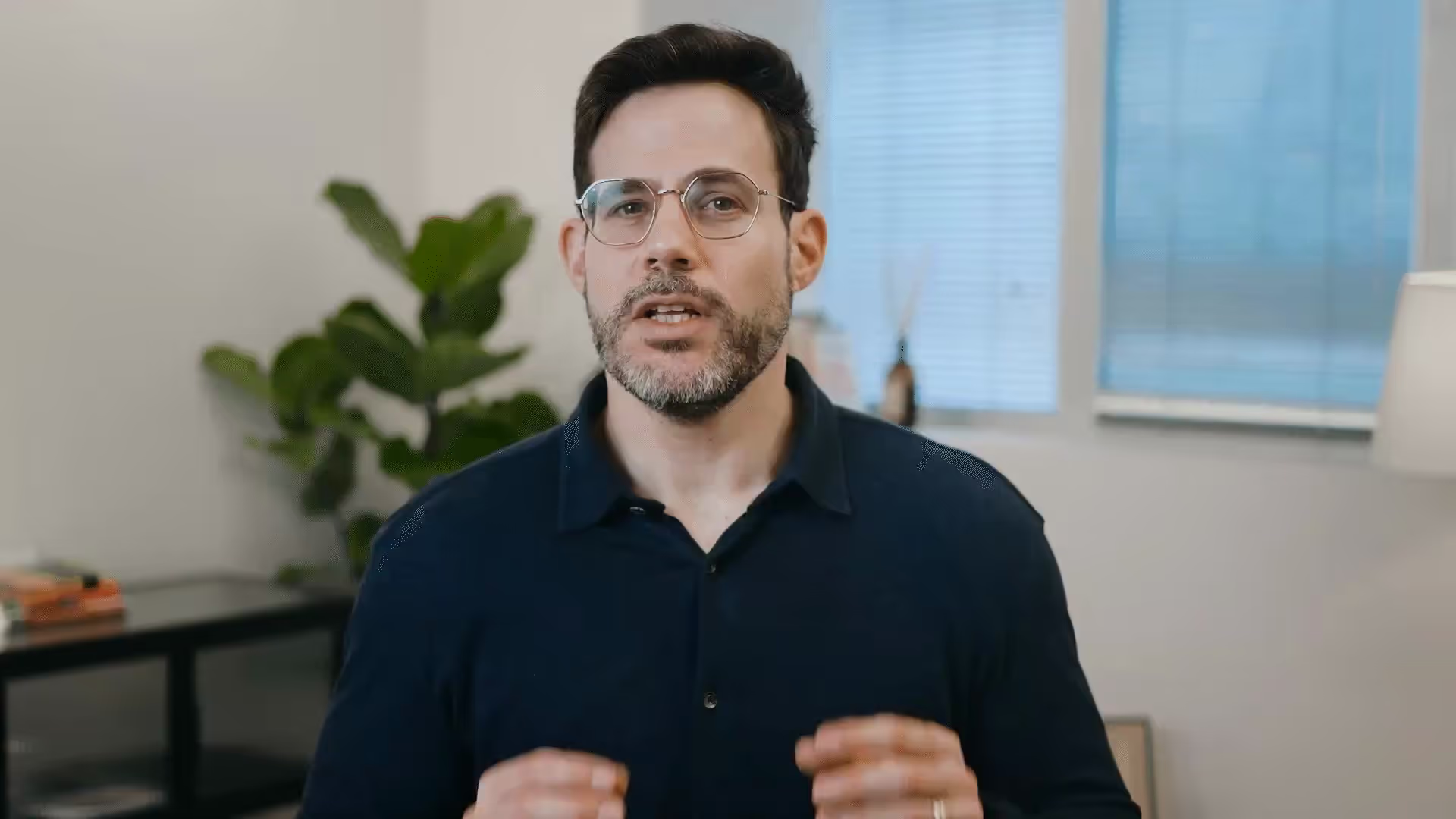
Mo is an AI security practitioner with over a decade of experience in application and product security, spanning hands-on engineering, program building, and cross-functional leadership. At Alice, he focuses on advancing how organizations understand, test, and manage real-world risks in AI systems, helping bridge security research, product, and emerging AI governance needs.

James Villarrubia went from building AI for NASA's drone and aerospace programs to becoming CTO of a travel tech company. In this episode, he and Mo get into why curiosity might be the most important skill in the AI era, what happens to our brains when we stop pushing back on the answers we get, and why the people most resistant to AI might actually be seeing something the rest of us are missing.

James Villarrubia is an accomplished CTO and applied AI expert. As Group CTO of AnyRes, he leads AI and technology across four global travel brands driving ~$3B in annual bookings, redefining the travel experience for both customers and operators. Previously, he was a Presidential Innovation Fellow with NASA Aeronautics, where he helped develop sustainable aviation and next-generation AI solutions. He also brings senior policy and portfolio experience from the White House, DOJ, and DOD.
Mo is an AI security practitioner with over a decade of experience in application and product security, spanning hands-on engineering, program building, and cross-functional leadership. At Alice, he focuses on advancing how organizations understand, test, and manage real-world risks in AI systems, helping bridge security research, product, and emerging AI governance needs.
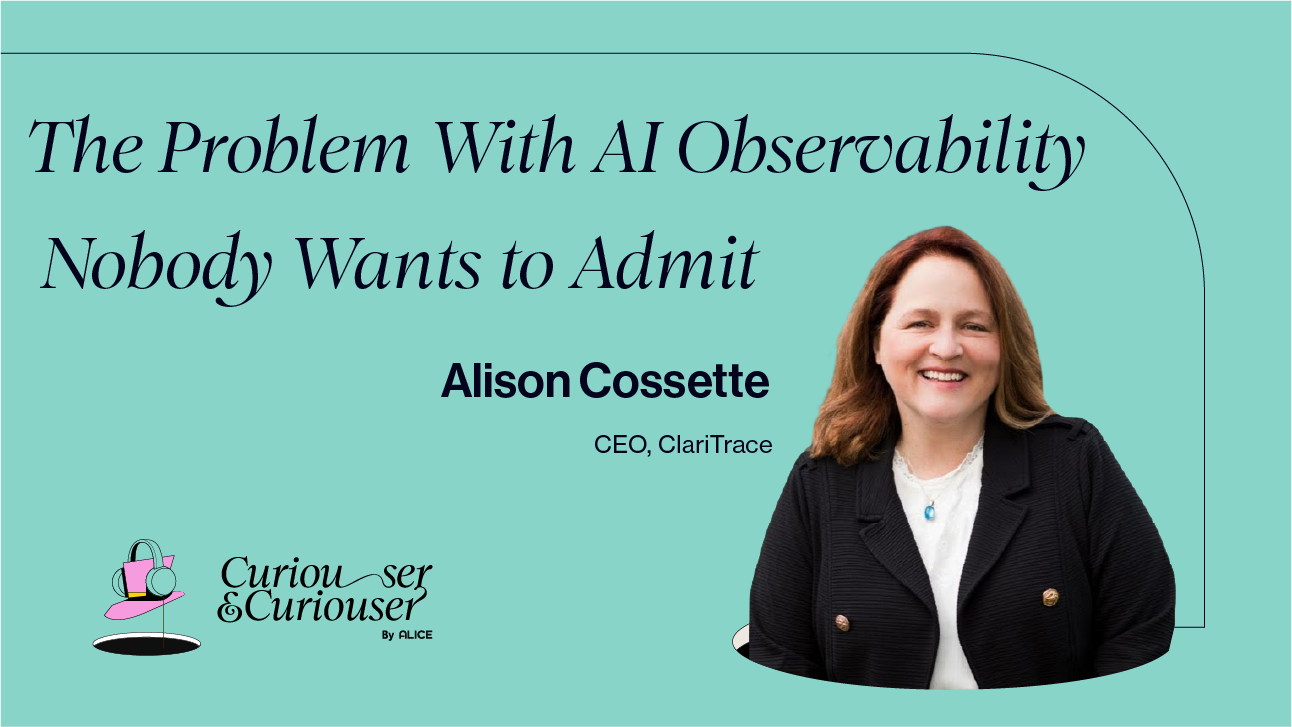
Most enterprises have guardrails. Far fewer have visibility into what their AI is actually doing. Alison Cossette, Founder and CEO of ClariTrace, joins Mo to talk about the risk debt quietly building inside agentic systems, why observability and traceability aren't optional anymore, and what leaders need to put in place before something forces their hand.
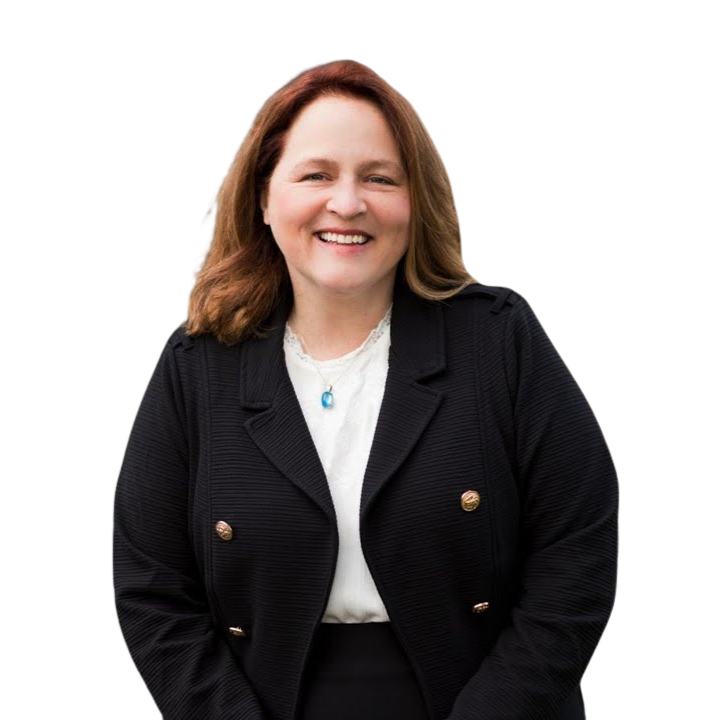
Alison Cossette is the Founder and CEO of ClariTrace who started out as a healthcare data scientist and has spent the years since building production AI systems, contributing to the NIST Generative AI Public Working Group, and thinking about where all of this is going long before most of the industry caught up.
Mo is an AI security practitioner with over a decade of experience in application and product security, spanning hands-on engineering, program building, and cross-functional leadership. At Alice, he focuses on advancing how organizations understand, test, and manage real-world risks in AI systems, helping bridge security research, product, and emerging AI governance needs.
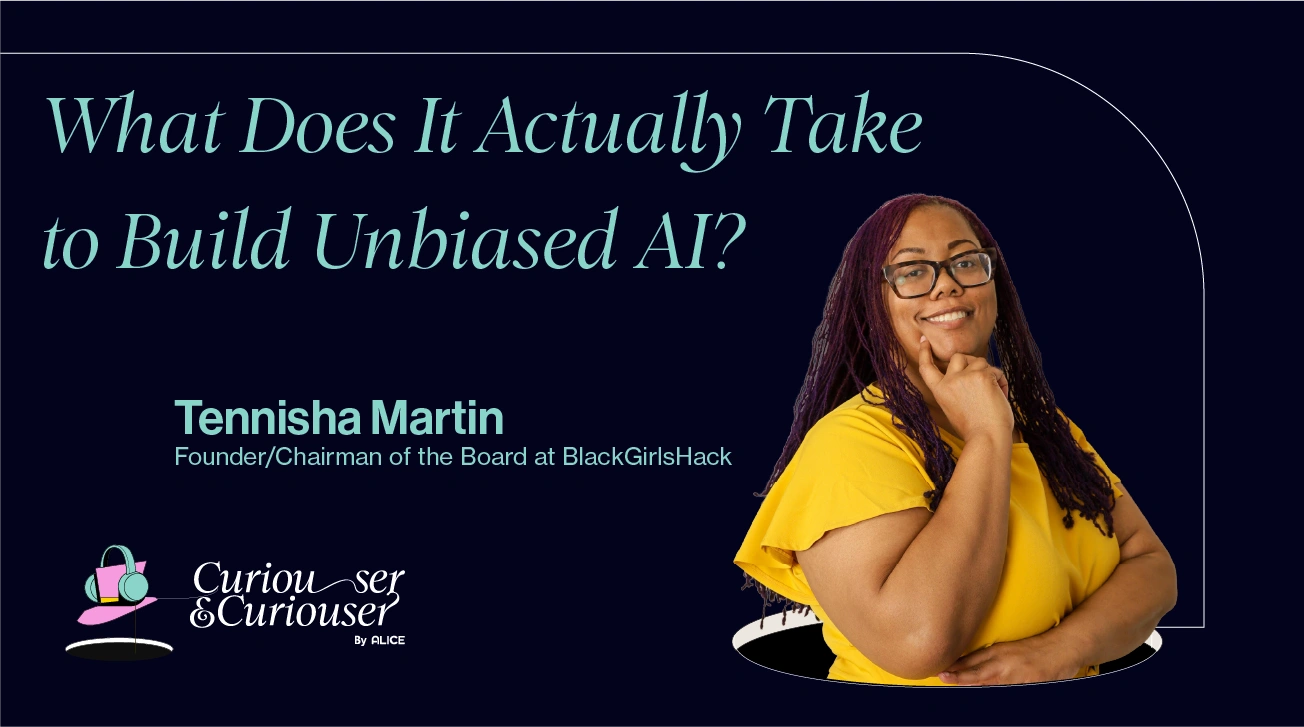
Nobody told Tennisha Martin the importance of having a mentor, so she built a community of tens of thousands instead. As the Founder and Chairwoman of BlackGirlsHack, her whole mission has been making sure nobody else has to figure it out alone. In this episode, she and Mo get into AI bias, why it's already showing up in places that matter far beyond tech, and why the real fix starts with getting the right people in the room when these systems get built.
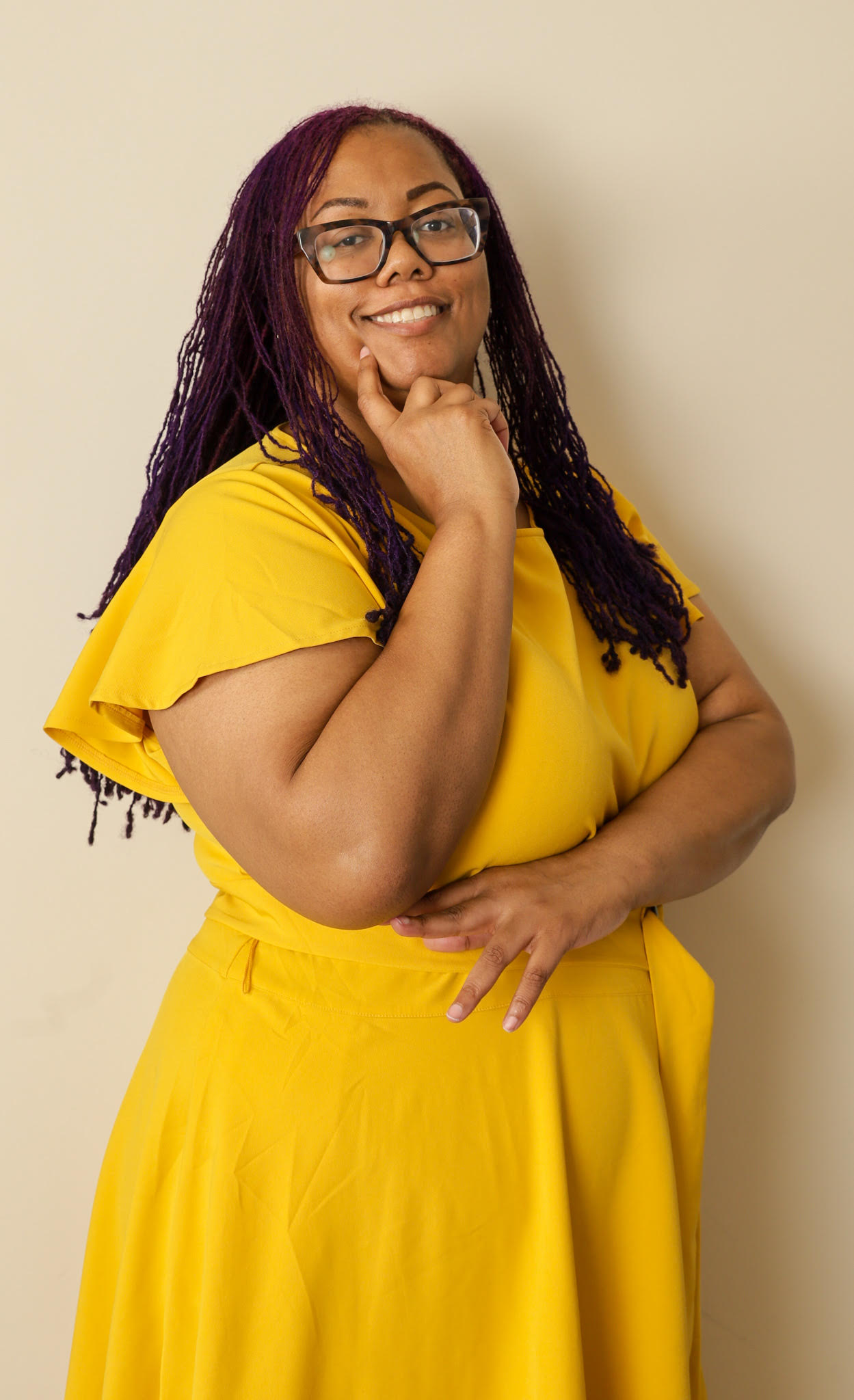
Tennisha Martin is the Founder and Chairwoman of BlackGirlsHack, an international nonprofit that has helped tens of thousands of people break into cybersecurity and IT. A penetration tester, bestselling author, and doctoral candidate in AI and cybersecurity, she has raised over $1.5 million in funding, been recognized as the 2025 Cybersecurity Woman Hacker of the Year, and founded SquadCon, the only Black-led independent cybersecurity conference in Las Vegas during Hacker Summer Camp.
Mo is an AI security practitioner with over a decade of experience in application and product security, spanning hands-on engineering, program building, and cross-functional leadership. At Alice, he focuses on advancing how organizations understand, test, and manage real-world risks in AI systems, helping bridge security research, product, and emerging AI governance needs.
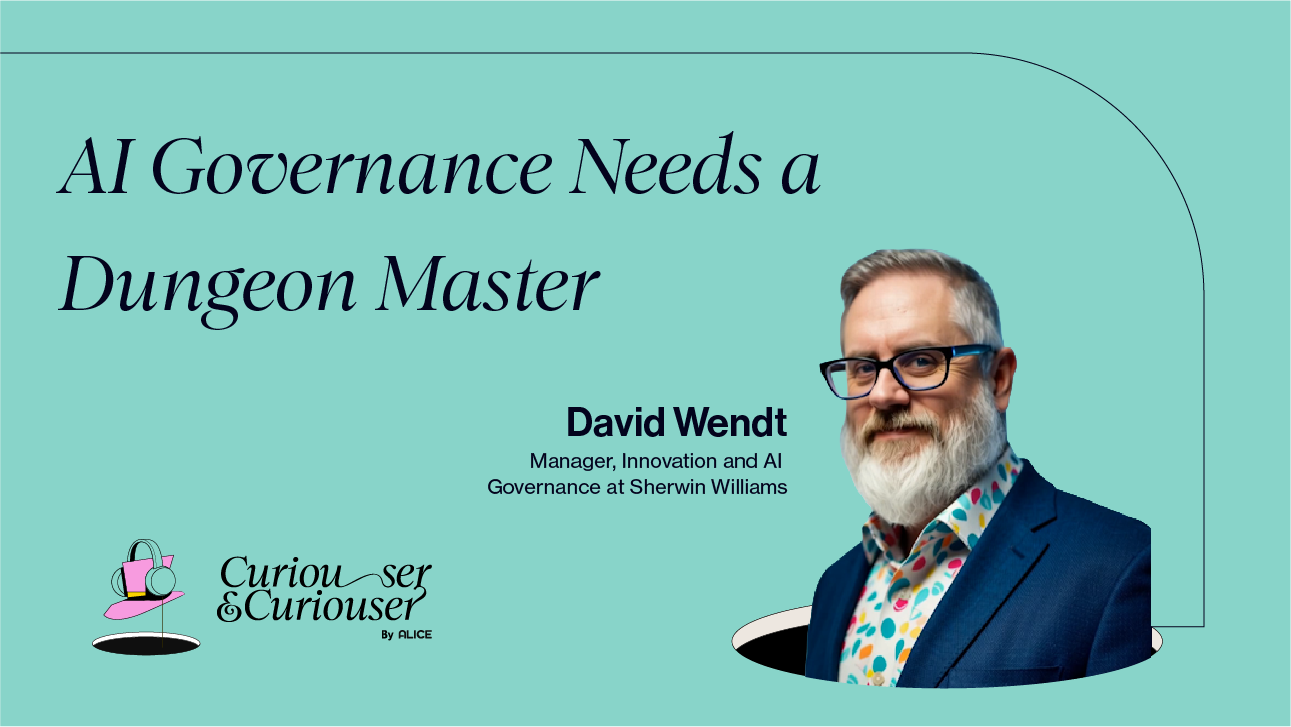
David Wendt has spent 30 years building models and just as long running D&D campaigns. Turns out both taught him the same things about operating in uncertainty. He joins Mo to talk AI governance at enterprise scale, what real red teaming looks like, and why the smarter move is to stop measuring your AI and start measuring what you actually care about.
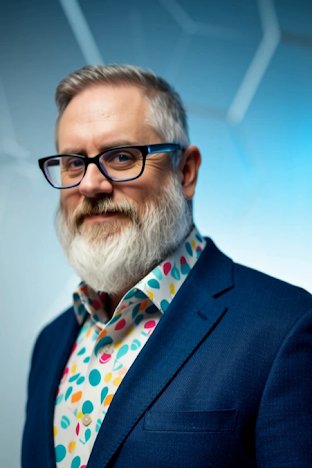
David Wendt helps executives, innovators, and tech leaders turn uncertainty about AI into actionable trust and clarity. With 30+ years guiding Fortune 100/200 organizations through strategic change, he blends systems thinking, storytelling, and practical frameworks to make AI governance accessible and impactful.
Mo is an AI security practitioner with over a decade of experience in application and product security, spanning hands-on engineering, program building, and cross-functional leadership. At Alice, he focuses on advancing how organizations understand, test, and manage real-world risks in AI systems, helping bridge security research, product, and emerging AI governance needs.

Diana Kelley, CISO at Noma Security and former Cybersecurity CTO at Microsoft, joins Mo to work through the real mechanics of LLM risk: why the context window flattens the trust boundary between system instructions and user data, why that makes reliable internal guardrails essentially impossible, and why agentic AI is less a new threat category and more a stress test for the hygiene debt organizations never fully paid off.
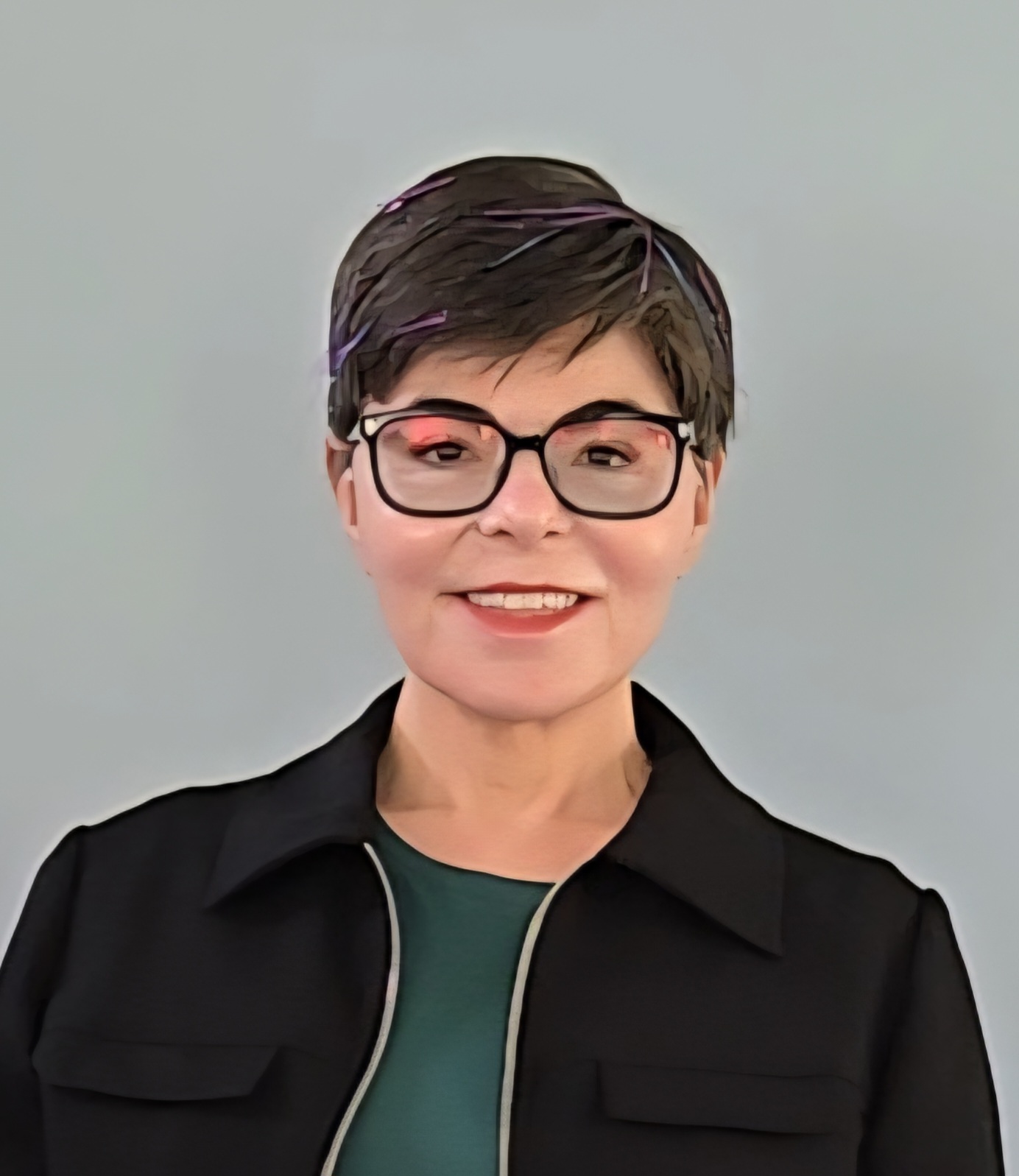
Diana Kelley is CISO at Noma Security. She has held senior security leadership roles at Microsoft, IBM Security, Symantec, and Protect AI. She is co-author of Practical Cybersecurity Architecture, a LinkedIn Learning instructor on AI/ML security, and a 2023 Global Cyber Security Hall of Fame inductee.
Mo is an AI security practitioner with over a decade of experience in application and product security, spanning hands-on engineering, program building, and cross-functional leadership. At Alice, he focuses on advancing how organizations understand, test, and manage real-world risks in AI systems, helping bridge security research, product, and emerging AI governance needs.
Subscribe for new episodes