Alice is recognized among leading vendors in TAG Infosphere’s Enterprise AI Security Handbook (Q1 2026), highlighting its role in setting the standard for AI guardrails and model safety.
Alice is featured in OWASP’s AI & Agentic Red Teaming Solutions Landscape (Q2 2026), recognizing its capabilities in agentic AI testing, red teaming, and model security.
Alice is featured in OWASP’s AI Security Solutions Landscape for Agentic AI (Q2 2026), recognizing its role in advancing AI safety and security solutions.
Alice CEO Noam Schwartz joins NYSE Live to discuss the company's rebranding strategy and the role artificial intelligence played in shaping the initiative.
The Information journalist Rocket Drew dives into the importance of OpenClaw and interviews Alice CEO & Co-Founder Noam Schwartz
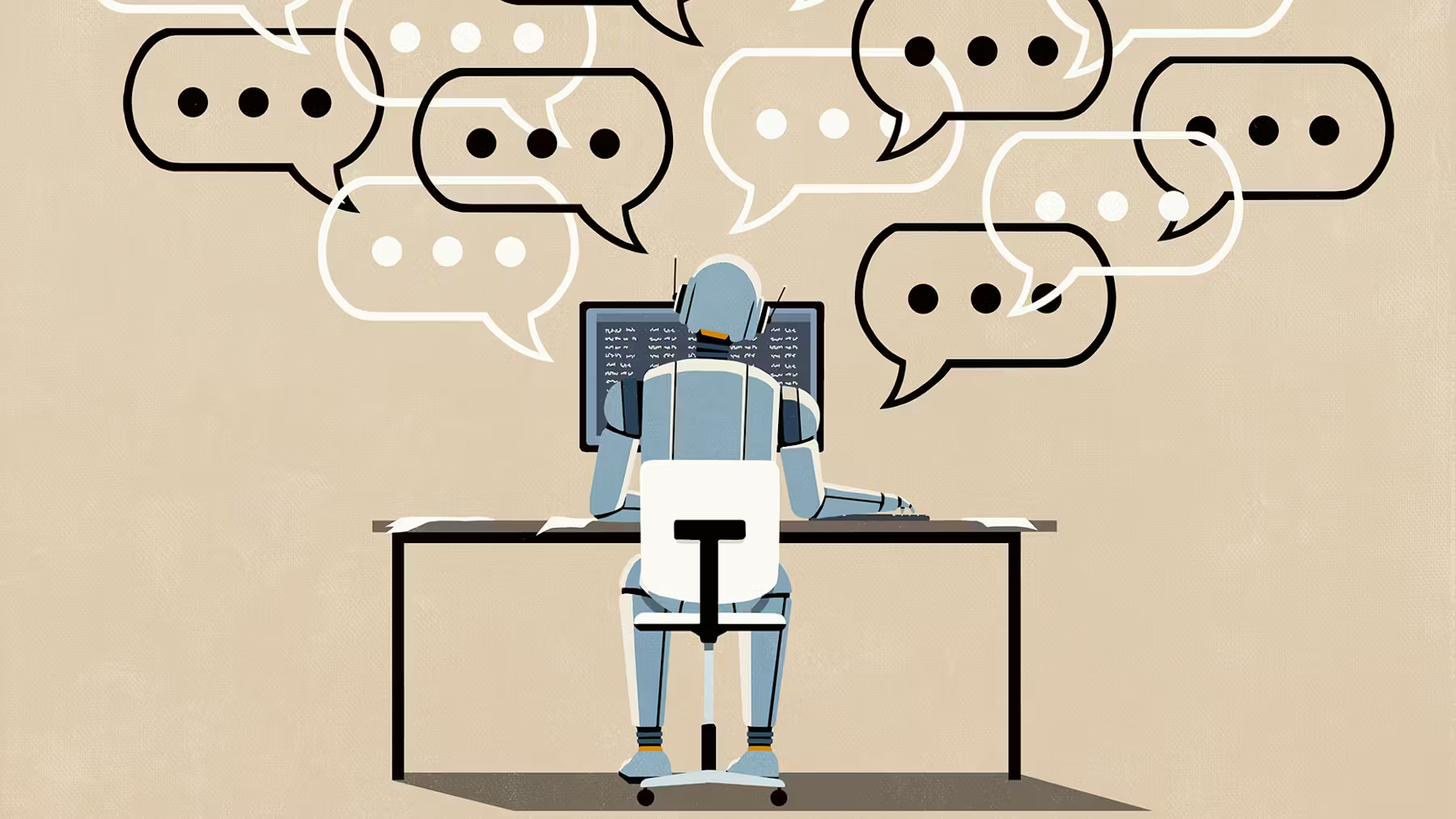
Alice's CEO & Co-Founder Noam Schwartz gives his take on Moltbook and how the only thing he's worried about is responsible AI, because it’s very easy to manipulate agents right now.


%20(1).png)