


How Threat Intelligence Can be Leveraged for Youth AI Safety
.png)
TL;DR
As AI becomes increasingly integrated into young people's digital lives, understanding youth AI safety requires more than evaluating AI systems alone. Alongside monitoring AI and online youth discourse, Alice's existing threat intelligence capabilities can be leveraged to identify emerging risks, monitor behavioral shifts, and better understand how minors are adopting and using AI across online ecosystems.
Generative AI is quickly becoming part of everyday life for young people. Recent studies show that a majority of teenagers have used AI tools in some capacity, with common use cases ranging from information gathering and schoolwork to entertainment and creativity.
This trend is not particularly surprising. For many young users, AI is no longer a novel technology but an increasingly routine part of how they learn, create, communicate, and engage online.
As adoption continues to grow, discussions around youth AI safety have become increasingly focused on model safeguards and age assurance measures. While these conversations are important, understanding youth AI safety presents a unique challenge.
Unlike many established youth safety threats, the risks associated with AI are still emerging in real time. This makes them difficult to assess through moderation policies or platform enforcement alone.
The Difference: Child Safety and Youth AI Safety
Traditionally, youth safety efforts focus on how bad actors exploit technologies to target and harm minors. Youth AI safety requires a different perspective. Rather than examining how AI is being used against young people, it requires understanding how young people themselves are using AI, where that use is occurring, and what new risks may emerge as AI becomes integrated into their digital lives. This is where threat intelligence becomes valuable. By leveraging intelligence collected across child safety, exploitation, self-harm, and peer-to-peer harm ecosystems, organizations can move beyond understanding what AI systems are capable of and begin understanding how AI is actually being used across youth online ecosystems. In doing so, they can identify emerging risks long before they become established threats.
Leveraging Existing Threat Intelligence for Youth AI Safety
While youth AI safety represents a relatively new area of research, the intelligence foundations needed to investigate it are already well established. Alice maintains extensive intelligence capabilities across a range of online harm domains, including self-harm and suicide, grooming and child exploitation, image-based abuse, and peer-to-peer harm ecosystems. When applied through a youth AI safety lens, these intelligence efforts can help identify emerging behaviors, monitor evolving risks, and provide visibility into how AI is being integrated into youth online environments.
Peer-to-Peer Harm Intelligence
Peer-to-peer harm ecosystems may provide some of the most valuable insight into youth AI adoption. These communities have historically been early adopters of new technologies, often experimenting with emerging tools long before they reach mainstream awareness.
Alice maintains extensive intelligence coverage of youth cybercrime-adjacent and peer-to-peer harm communities, including intelligence collected from networks associated with 764 and broader Com-affiliated ecosystems. While these intelligence efforts were originally developed to monitor online harms such as coercion and grooming, they also provide a unique lens into how young users discuss and adopt emerging AI technologies. Importantly, many of the actors participating in these ecosystems are minors themselves, making them a valuable source of insight into youth AI behavior.
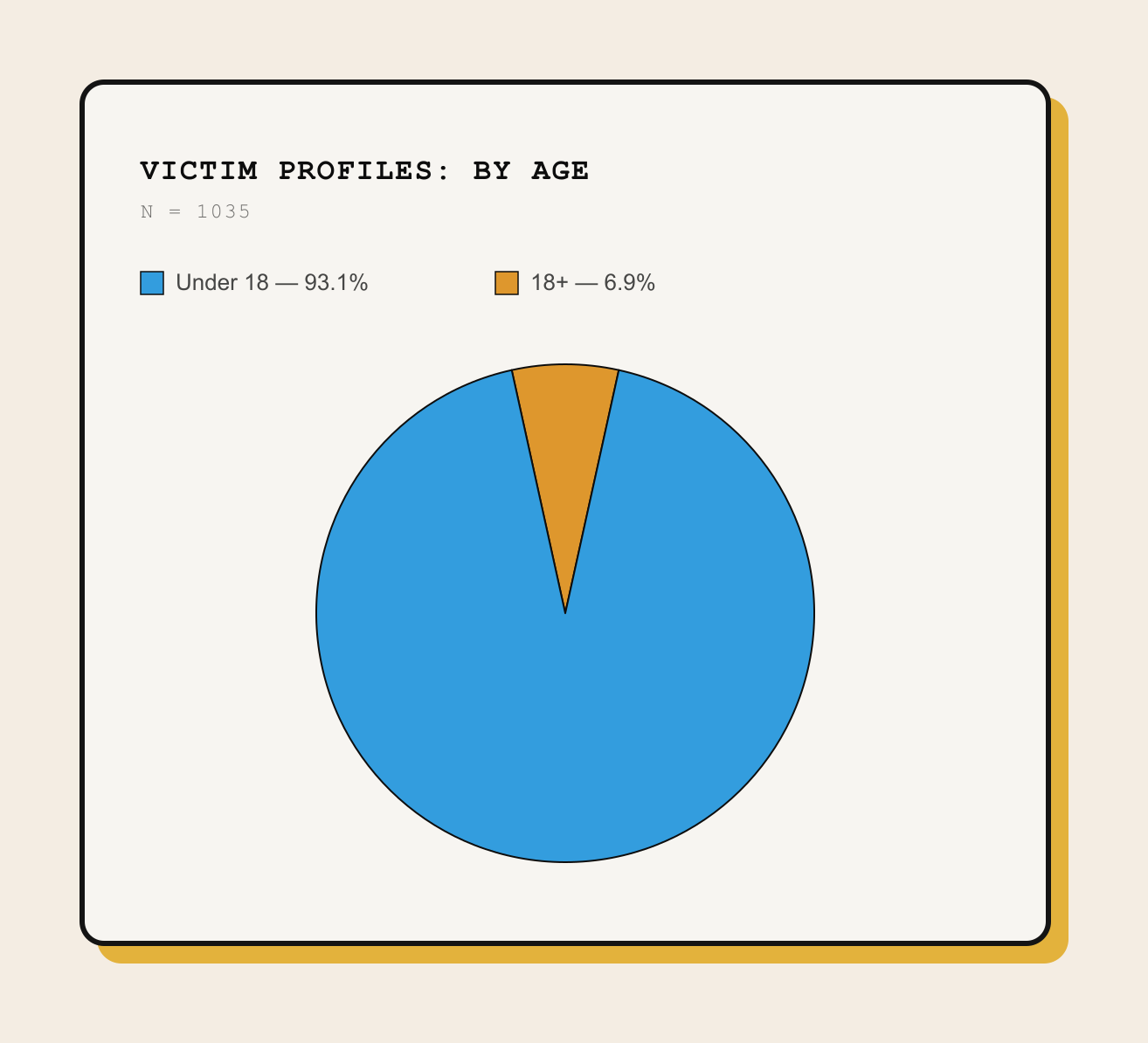
While communities associated with 764 and the broader Com ecosystem represent a fringe segment of the online landscape, the patterns of AI use observed within them closely mirror broader trends among young users. What makes these communities particularly valuable from an intelligence perspective is not that minors are using AI differently, but that these highly online environments often provide an early view into how emerging technologies become integrated into youth behavior. As a result, they offer unique insight into both current adoption patterns and the ways AI use may continue to evolve among young users.
Self-Harm and Suicide Intelligence
Self-harm and suicide (SSH) intelligence capabilities provide visibility into online communities where vulnerable young users discuss mental health challenges, self-injurious behaviors, eating disorders, and harmful dieting practices.
This visibility is particularly important as AI becomes increasingly integrated into the ways young people seek support. Recent research found that nearly one in five U.S. adolescents and young adults have used AI chatbots for mental health advice, highlighting the growing role these systems play in emotionally sensitive contexts.

Grooming and Child Exploitation Intelligence
Alice's grooming and child exploitation intelligence capabilities provide visibility into youth-centric online environments, including communities and accounts associated with minors. While these intelligence efforts were originally developed to identify child safety risks, they also provide a unique opportunity to observe how young users are discussing and engaging with AI.
By monitoring conversations occurring around known youth communities, including discussions in comment sections and community pages, this intelligence can help surface emerging patterns of AI use among minors. This provides a valuable view into how young people are actually engaging with AI beyond what can be learned from surveys or self-reported usage data.
Viral CSAM and NCII Intelligence
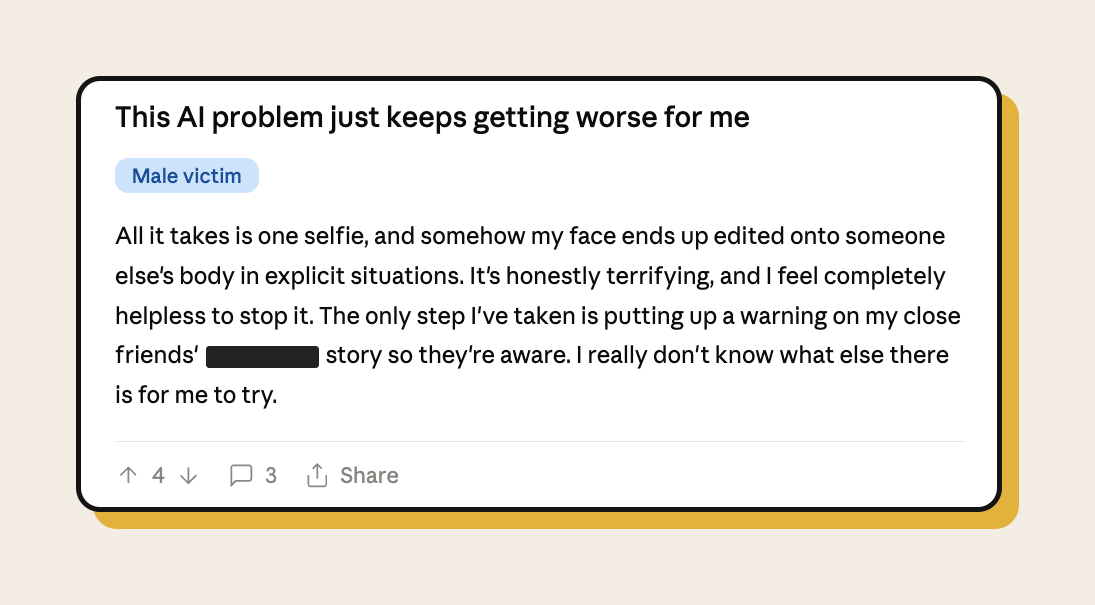
Alice's research into viral CSAM and non-consensual intimate imagery (NCII) provides a lens for understanding how AI is being incorporated into youth interactions with sexual content and image-based harms. Existing intelligence efforts already track how content spreads across online ecosystems, how users discover it, and how communities engage with it.
As generative AI tools become more accessible, these capabilities can help identify how young users are discussing AI-generated sexual content, experimenting with synthetic imagery, and incorporating AI into existing online behaviors.
From Threat Intelligence to Youth AI Safety
Youth AI safety cannot be understood through model evaluations and safety policies alone. As AI becomes more embedded in the online spaces young people frequent, understanding how these technologies are actually being used will be critical to identifying emerging risks and responding effectively to new forms of harm.
By applying existing intelligence capabilities across self-harm, grooming, child exploitation, image-based abuse, and peer-to-peer harm ecosystems, AI platforms and services can gain earlier visibility into behavioral shifts, emerging use cases, and evolving safety concerns before they become more widely established.
At Alice, we help organizations move beyond reactive approaches to youth safety by combining threat intelligence, behavioral analysis, and ecosystem monitoring to better understand how young people engage with emerging technologies.
Learn How Alice Identifies Emerging Youth AI Risks
HereWhat’s new from Alice


LIVE from Black Hat Las Vegas: AI, Nation-States, and the Battlefield That Keeps Changing
What if the biggest threat to your security team isn't the attacker, it's the model you're relying on to stop them? LIVE from Black Hat Las Vegas, Mo and Madi bring together two cybersecurity authors, Caroline Wong, Chief Strategy Officer at Axari and author of The AI Cybersecurity Handbook, and Allie Mellen, Principal Analyst at Forrester and author of Code War, who wrote very different books that turn out to be arguing the same point. One explains why nations attack the way they do. The other explains why AI just changed the cost, speed, and scale of everything. Tune in!

Virtual Fireside Chat: The TAKE IT DOWN Act, Six Months In - What's Changed on Deepfakes and NCII
Six months after the TAKE IT DOWN Act took effect, the NCII landscape looks different and even more complicated. Join Alice for a live fireside chat with Google's Nidhi Lahoti on what's actually changed, what hasn't, and where T&S fit into it all - Join us live on October 9th, 2pm EST.

5 Ways Your Third-Party CX Agent Gets Broken
Third-party CX agents create hidden liability. Learn the 5 attack patterns vendors miss and how WonderSuite closes the gap.