Understanding AI, Risk,
and the Future
The essential podcast for innovators, leaders, and curious minds who want to navigate a world where AI is advancing faster than our ability to make sense of it.
LIVE from Black Hat Las Vegas: AI, Nation-States, and the Battlefield That Keeps Changing
What if the biggest threat to your security team isn't the attacker, it's the model you're relying on to stop them? LIVE from Black Hat Las Vegas, Mo and Madi bring together two cybersecurity authors, Caroline Wong, Chief Strategy Officer at Axari and author of The AI Cybersecurity Handbook, and Allie Mellen, Principal Analyst at Forrester and author of Code War, who wrote very different books that turn out to be arguing the same point. One explains why nations attack the way they do. The other explains why AI just changed the cost, speed, and scale of everything. Tune in!


Caroline Wong is the Chief Strategy Officer at Axari and author of The AI Cybersecurity Handbook. A respected cybersecurity leader, educator, and advisor, Caroline is known for helping organizations understand and navigate the rapidly changing intersection of AI and security. ​Allie Mellen is the Principal Analyst at Forrester and author of Code War: How Nations Hack, Spy, and Shape the Digital Battlefield. Her work focuses on the geopolitical impact of cyber conflict and the ways nation-states leverage technology to shape global power.
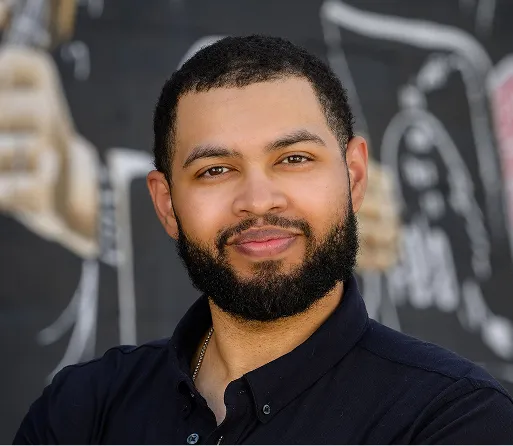
Mo is an AI security practitioner with over a decade of experience in application and product security, spanning hands-on engineering, program building, and cross-functional leadership. At Alice, he focuses on advancing how organizations understand, test, and manage real-world risks in AI systems, helping bridge security research, product, and emerging AI governance needs.

Your LLM Has No Idea What It's Doing
Diana Kelley, CISO at Noma Security and former Cybersecurity CTO at Microsoft, joins Mo to work through the real mechanics of LLM risk: why the context window flattens the trust boundary between system instructions and user data, why that makes reliable internal guardrails essentially impossible, and why agentic AI is less a new threat category and more a stress test for the hygiene debt organizations never fully paid off.

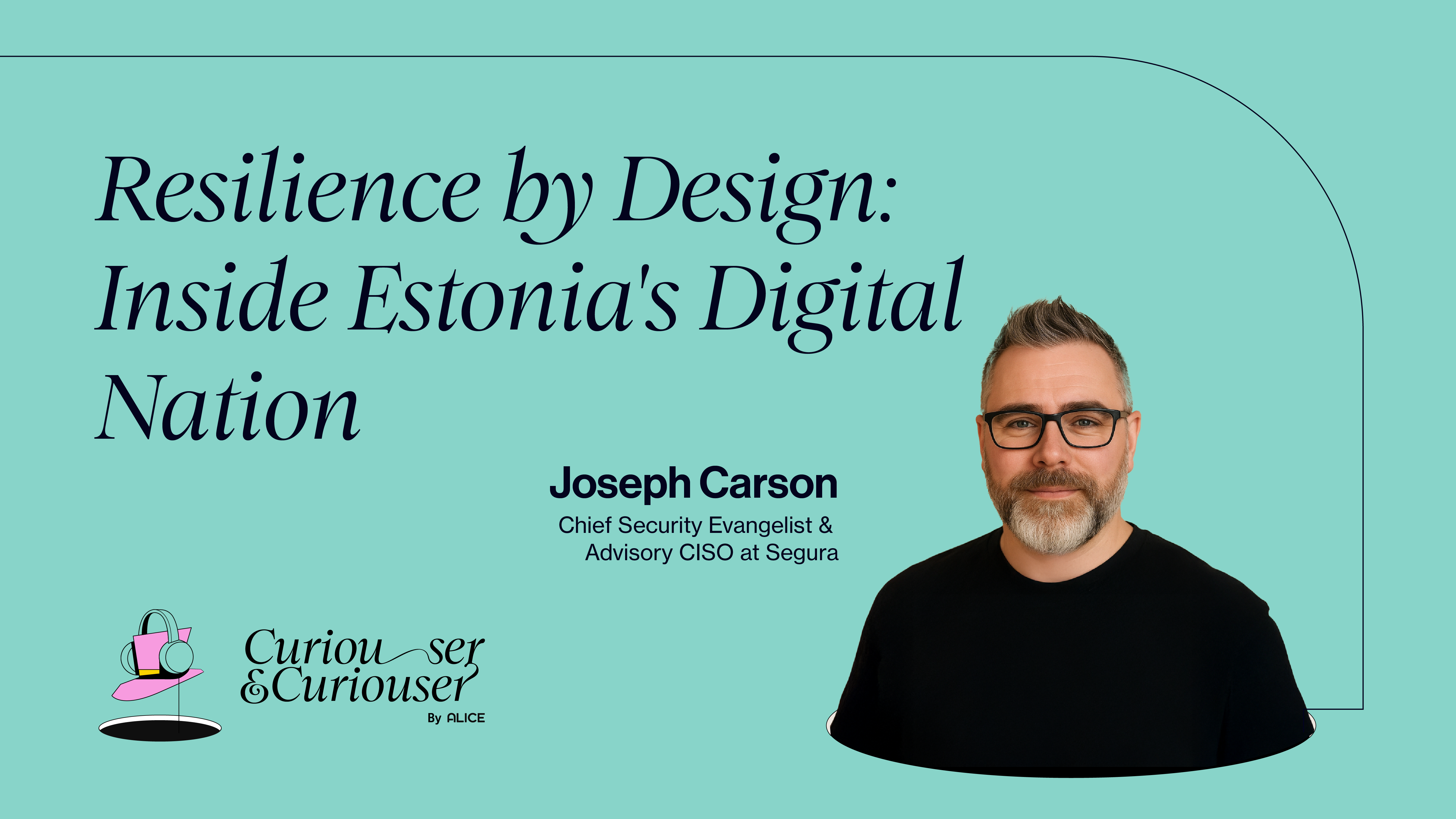
Resilience by Design: Inside Estonia's Digital Nation
Most countries talk about digital trust. Estonia engineered it. Joseph Carson has spent 23 years living through Estonia's digital transformation from the inside. He and Mo get into what it actually takes to build trust at a national scale, what Estonia got right, where it went wrong, and what the rest of the world is still figuring out. Joseph is also bringing the full story to RSA Conference 2026 with his session "From Cyber War to a Digital Nation: Estonia's Playbook for Resilience."

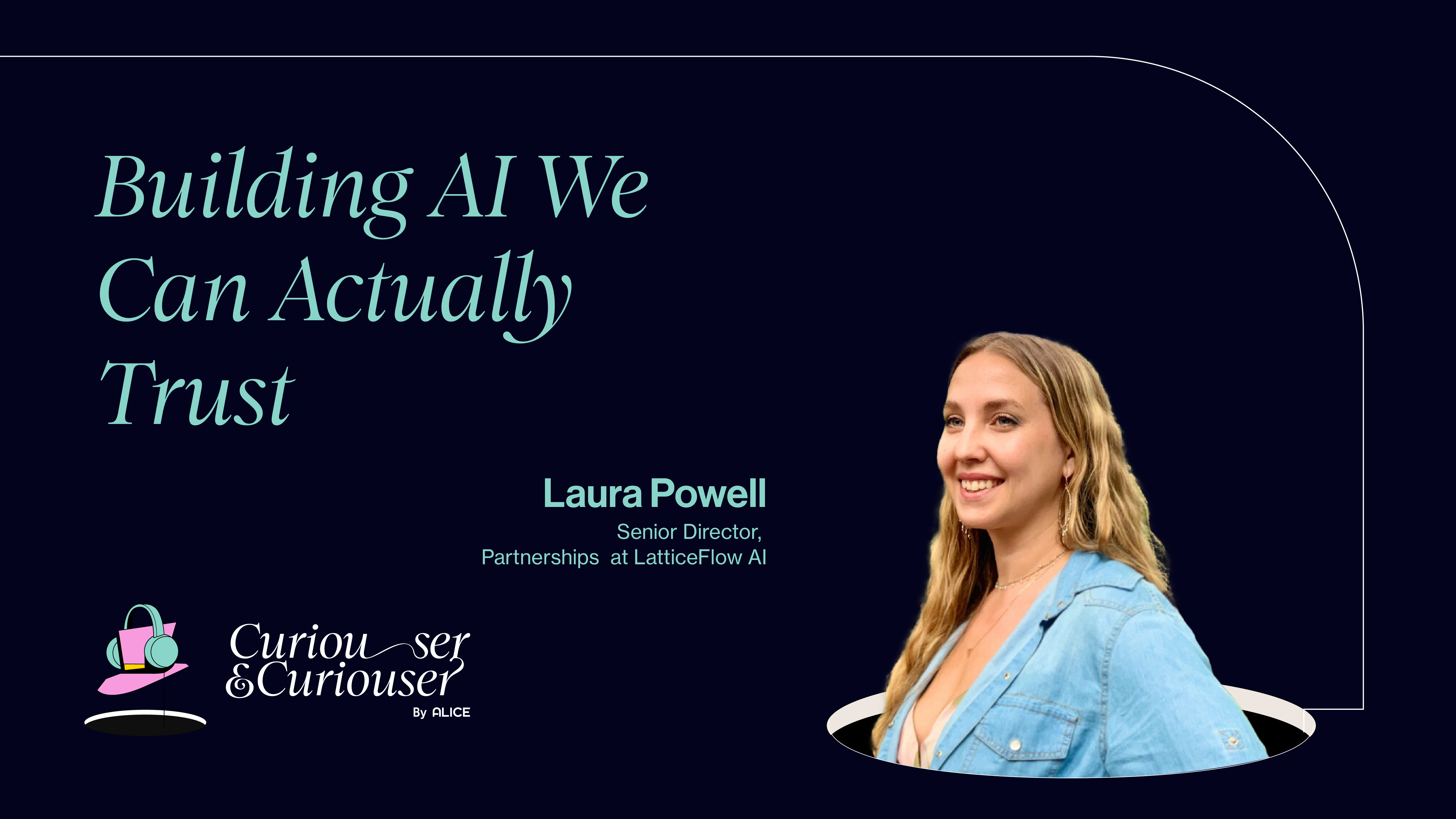
Building AI We Can Actually Trust
AI is moving from experimentation into production, and with that shift comes a harder question: how do we actually build systems people can trust? In this episode of Curiouser & Curiouser, Mo sits down with Laura Powell, Senior Director of Partnerships at LatticeFlow AI, to talk about what that actually requires. They cover why agentic AI is outpacing the frameworks meant to govern it, where the 80/20 approach to risk breaks down, and what biased training data is already doing in production today.

Securing Agentic AI: The OWASP Approach
In this episode, Mo Sadek is joined by Steve Wilson (Chief AI and Product Officer at Exabeam, founder and co-chair of the OWASP GenAI Security Project) to explore how OWASP is shaping practical guidance for agentic AI security. They dig into prompt injection, guardrails, red teaming, and what responsible adoption can look like inside real organizations.

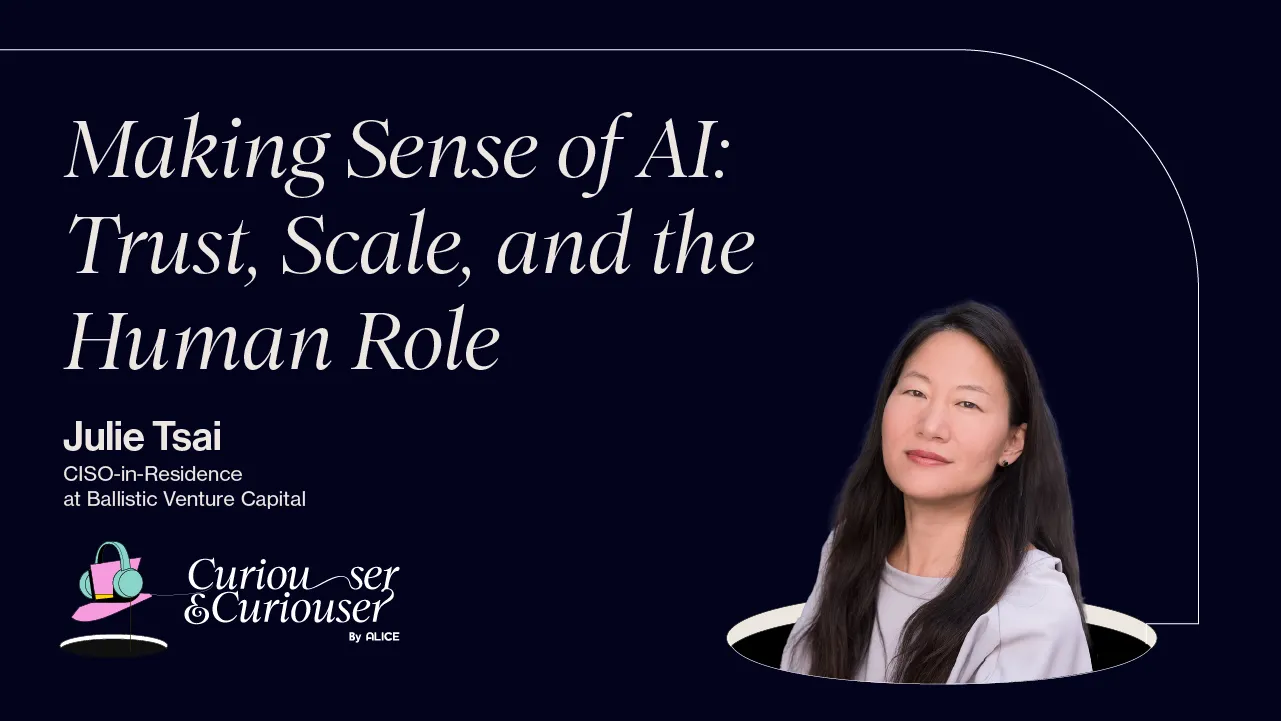
Making Sense of AI: Trust, Scale, and the Human Role
Curiosity might be our most important security tool. In the first episode of Curiouser & Curiouser, Mo Sadek sits down with longtime security leader Julie Tsai to explore AI, security, and the human judgment that still matters most. Together, they cut through hype and fear to talk about what’s actually changing, what isn’t, and how we build systems we can truly trust.