


TL;DR
A generative AI safety by design framework embeds risk mitigation, testing, and safeguards across the AI lifecycle—ensuring systems are built, deployed, and monitored with safety and control from the start.
At this defining moment in the trajectory of generative AI, we must recognize the immense potential this technology has to reshape our world in ways that are both extraordinary and concerning. It is imperative that public and private stakeholders join forces to steer the development of this powerful technology toward safe, equitable, and sustainable outcomes. The advancement of generative AI has been nothing short of remarkable, with each day (!) bringing new, meaningful developments. This groundbreaking technology is revolutionizing our world in ways that may even surpass the impact of the popularization of the world wide web, but it also presents considerable obvious risks. The window of opportunity to meaningfully influence the growth of this groundbreaking technology and balance between maximizing benefits and minimizing risks is narrowing. Slowing down the pace of development is improbable, and local regulatory measures are futile – it’s almost impossible to regulate technology advancement. The most viable way forward is for the industry to embrace an agreed-upon set of rules and principles for self-regulation, balancing the spirit of innovation, and progress while ensuring a safe trajectory and responsible deployment. In the ever-evolving landscape of AI development and adoption, we must ensure responsible AI governance, acknowledging that similar to Trust & Safety and cybersecurity, AI governance framework approach - AI safety solutions will be a continuous game of adaptation and improvement. Just as threat actors persistently develop new tactics to bypass our defenses, we can expect AI safety challenges to persist and evolve. However, this reality should not dishearten us. Instead, it should serve as a catalyst for action and a reminder that vigilance, innovation, and collaboration are crucial in shaping a secure and reliable AI ecosystem. Our collective efforts and determination to address AI safety will help us stay ahead of emerging threats and drive positive change in this rapidly advancing field. To this end, I propose a straightforward framework for such self-regulation, aimed at guiding the development of secure AI applications and models.
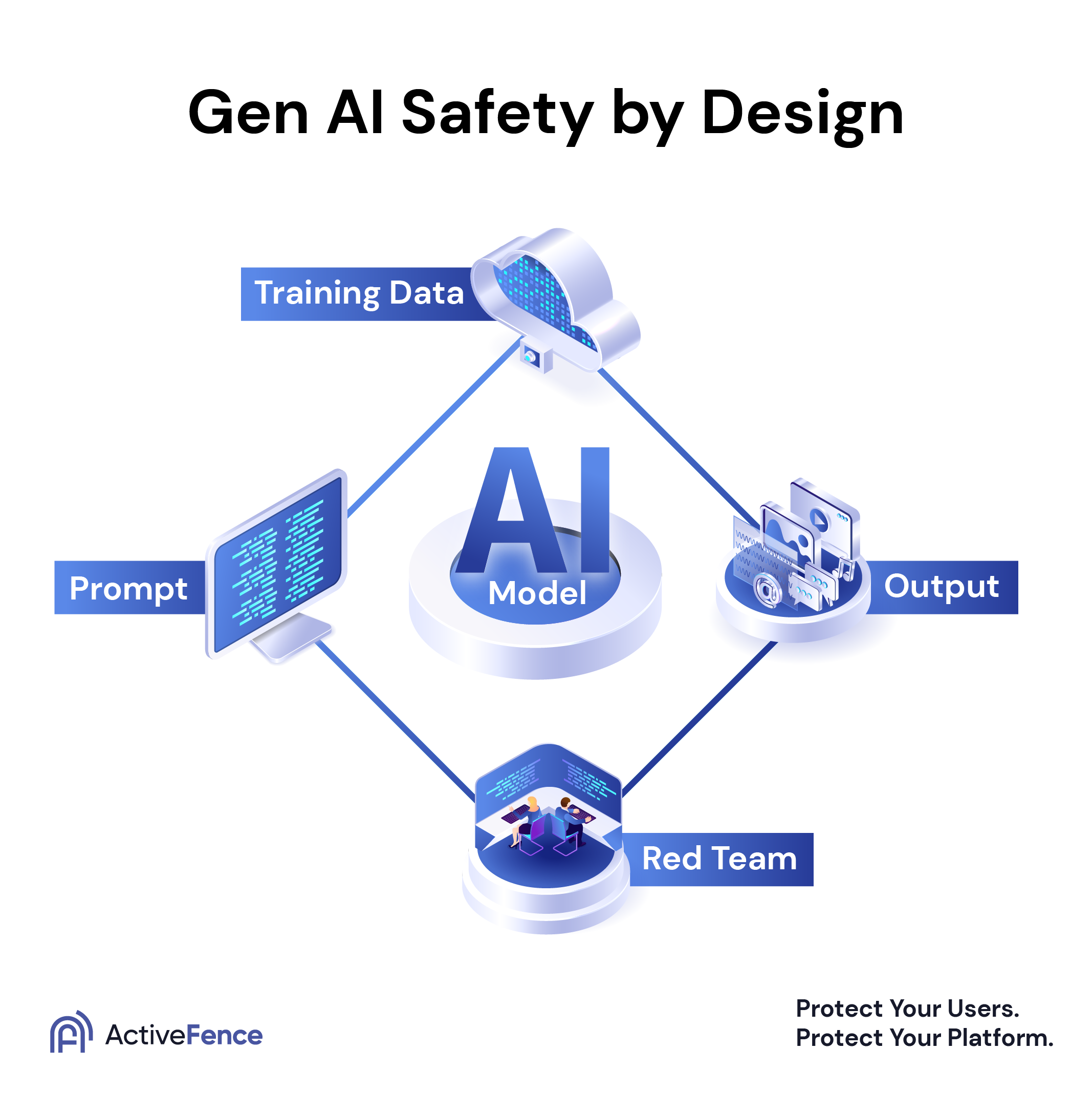
The Proposed Framework
Training Data
As we advance in the development and deployment of AI systems, the AI safety architecture integrity of the training data becomes increasingly vital. Setting aside intellectual property and ownership concerns, we must remain vigilant against potential attacks aimed at compromising the integrity of datasets used for training. The corruption of these datasets poses a genuine threat to the performance and reliability of AI models. When training large language models (LLMs), it is crucial to be mindful of factors such as misinformation, bias, and harmful content that could corrupt the datasets and make it challenging to identify AI abuse and mitigate its effects. Implementing appropriate measures and best practices in selecting and curating training data is essential for ensuring the quality, safety, and effectiveness of AI models in the future. Our commitment to maintaining high standards in data selection will play a pivotal role in the ongoing development of reliable and secure AI systems.
Prompt / Input
Prompt manipulation / hacking or other methods of tampering with the input of a model can easily cause it to behave undesirably and it seems it’s also one of the first topics AI models address today by mitigating abusive behavior through prompt safeguards. This aspect will continue to be a crucial component in ensuring the safe operation of AI models. As we progress in AI technology, maintaining a steadfast focus on the security and integrity of prompts will be vital for preventing unwanted outcomes and preserving the reliability of AI systems. Our commitment to safeguarding prompts and addressing potential vulnerabilities will play a significant role in shaping a secure and trustworthy AI landscape.
Output
Managing the output generated by AI models is an essential aspect. The approach to handling AI output can draw upon the strategies implemented by social media companies and their Trust & Safety teams. By treating AI-generated content with the same scrutiny and care as we do for human-generated content, we take a vital step toward ensuring AI safety. Embracing this perspective allows us to maintain a consistent standard in evaluating content, regardless of its origin. This commitment to monitoring and securing AI output will contribute significantly to the development of safer and more trustworthy AI systems, fostering a responsible AI environment for all.
Red Team
Red teaming is a vital process for testing AI models’ performance, robustness, and security. Borrowed from military and cybersecurity practices, it involves an intelligence-led approach, whereby experts act as adversaries to challenge and exploit AI systems. Key benefits include identifying vulnerabilities, improving robustness, assessing bias and fairness, enhancing trustworthiness, and fostering continuous improvement. By applying red teaming, developers can ensure AI models are reliable, secure, and fair while building trust and promoting ongoing refinement.
A safety-by-design approach integrates AI governance tools, LLM guardrails, and continuous evaluation into the architecture from the start, reducing remediation costs and regulatory exposure.
Looking Ahead
To wrap up, let me be clear that our AI Safety By Design framework is not a silver bullet solution that will fit every model on the block. Rather, it is an endeavor to establish a groundwork for a constructive dialogue, laying out the necessary actions and thought processes required to tackle this significant safety hurdle. By adhering to rigorous data selection and protection standards, safeguarding prompts, monitoring AI outputs, and employing red teaming to pinpoint vulnerabilities, this framework could help shape a safe and ethical AI ecosystem that harmonizes innovation and progress with tackling potential risks and challenges.
What’s new from Alice

Guardrails Without Changing Your Agent Code: ALICE WonderFence Is Now a Databricks Unity AI Gateway External Policy
ALICE WonderFence is now a Databricks Unity AI Gateway External Policy. Attach it once in Unity Catalog to screen every governed model call, no SDK, no code changes.

LIVE from Black Hat Las Vegas: AI, Nation-States, and the Battlefield That Keeps Changing
Recorded live at Black Hat, Caroline Wong and Allie Mellen unpack why AI made nation-state attacks cheaper, why safety guardrails can work against you, and what the OpenAI-Hugging Face incident really exposed.

Virtual Fireside Chat: The TAKE IT DOWN Act, Six Months In - What's Changed on Deepfakes and NCII
Six months after the TAKE IT DOWN Act took effect, the NCII landscape looks different and even more complicated. Join Alice for a live fireside chat with Google's Nidhi Lahoti on what's actually changed, what hasn't, and where T&S fit into it all - Watch on demand

5 Ways Your Third-Party CX Agent Gets Broken
Third-party CX agents create hidden liability. Learn the 5 attack patterns vendors miss and how WonderSuite closes the gap.